
Posts

Shaping the Landscape

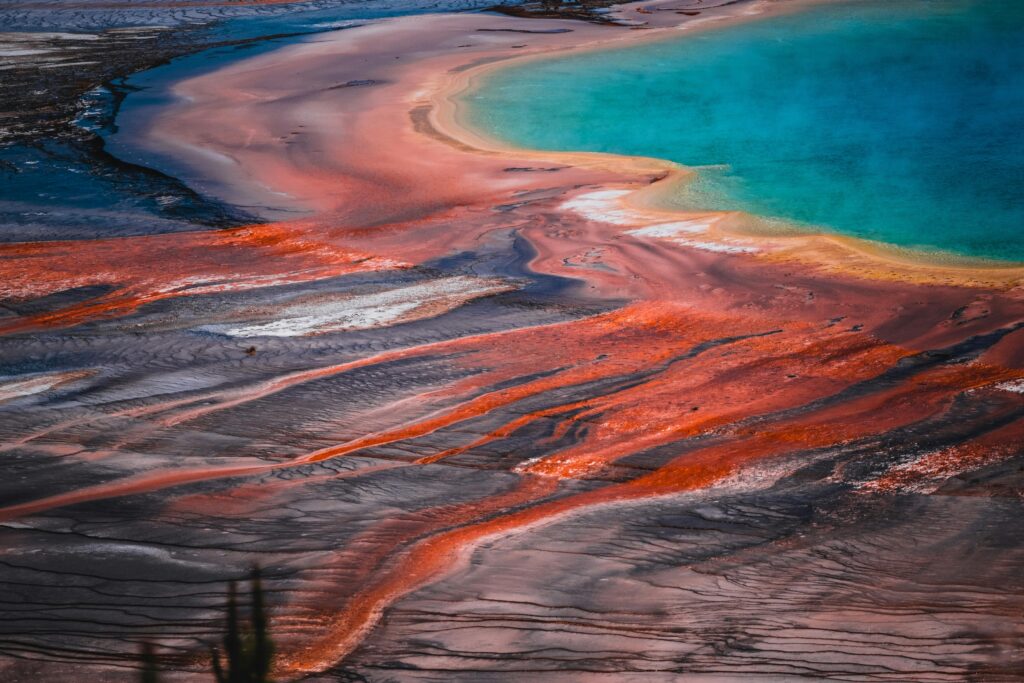
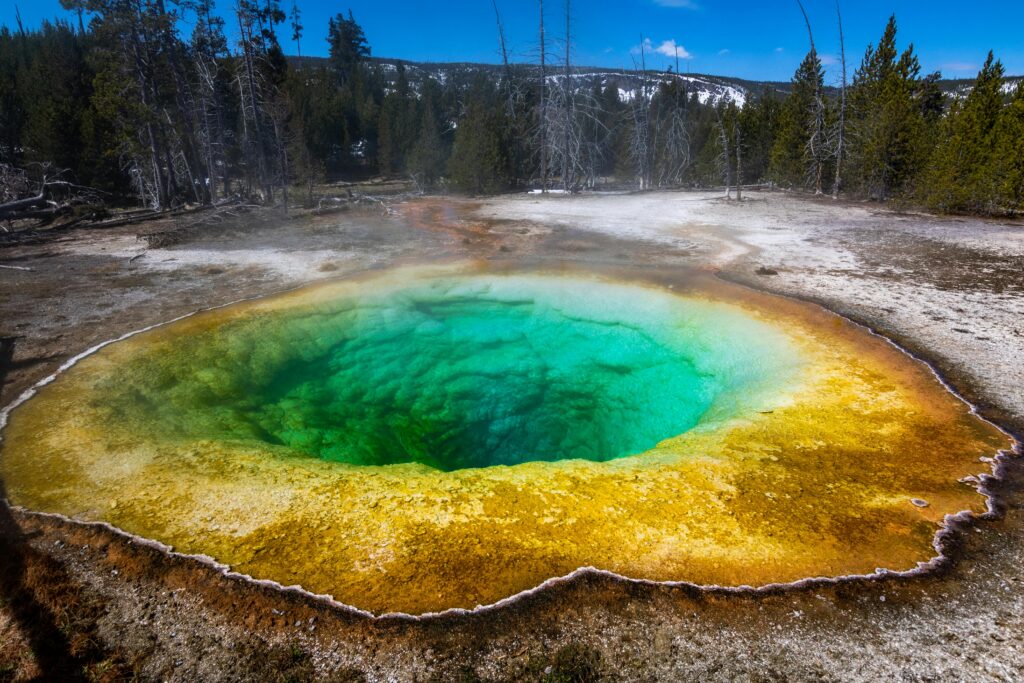
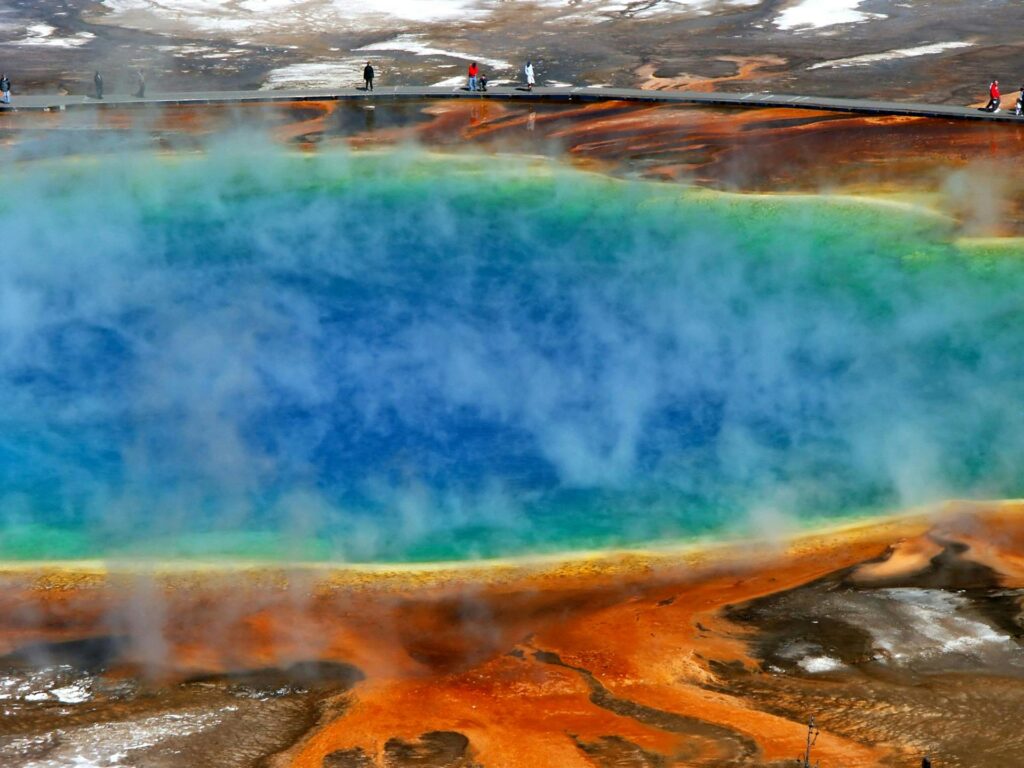
After the supervolcanic eruptions, smaller eruptions and lava flows helped shape Yellowstone’s current topography. Volcanic ash and pumice spread over vast areas, while geothermal features like hot springs, geysers, and mudpots developed due to the lingering heat from the underlying magma chamber. This ongoing heat fuels features like Old Faithful and the park’s vibrant thermal basins.

Tectonic Activity and Faults

Yellowstone’s formation is also influenced by fault lines and tectonic activity. The region is constantly shifting, with thousands of minor earthquakes each year helping to release stress and maintain the unique geothermal system.

Hotspot Volcanism

About 16 million years ago, a plume of hot magma rose from deep within the Earth’s mantle, forming a hotspot. As the North American plate slowly moved southwest over this hotspot, a series of volcanic eruptions occurred. The Yellowstone region, situated at the heart of this hotspot today, saw three major volcanic events, with the last occurring about 640,000 years ago. This final eruption was so immense that it created the Yellowstone Caldera, a crater spanning 30 by 45 miles.

Glacial Sculpting

More recently, during the last Ice Age, glaciers carved deep valleys and lakes in the Yellowstone region. As they retreated, they left behind features like Yellowstone Lake and the park’s iconic waterfalls.

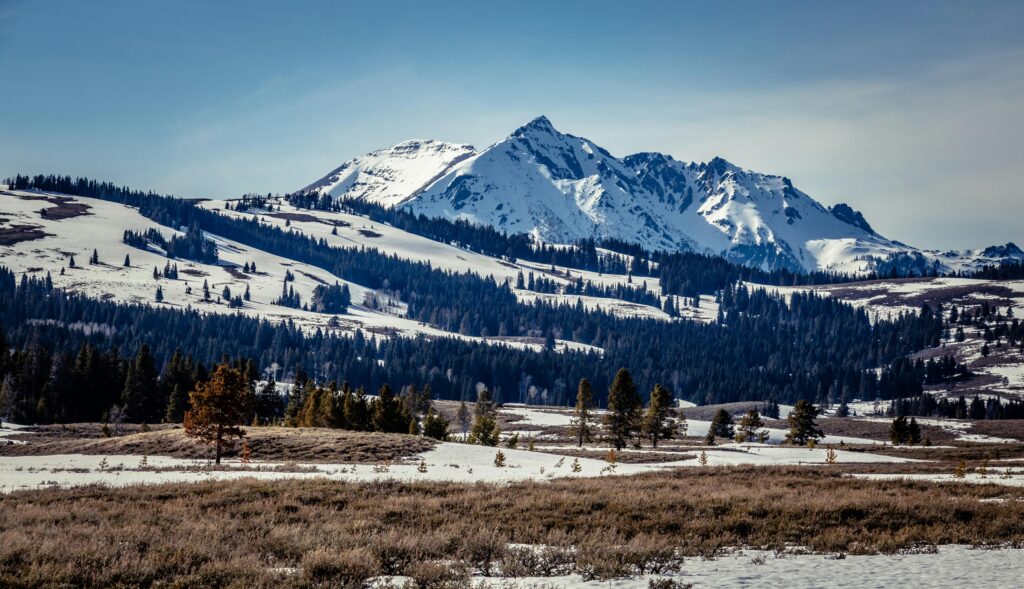
The interplay of volcanic activity, tectonic shifts, and glacial sculpting has created the extraordinary landscape that defines Yellowstone today. Its dramatic geysers, geothermal wonders, and rugged mountain terrain are a testament to the park’s complex geologic history, making it a living reminder of Earth’s raw, powerful forces.
A Land of Geothermal Wonders

Yellowstone sits atop a supervolcano, which is the source of its remarkable geothermal activity. Our…

Scroll to Top